
ALERT: Why Your Daily Lip Balm Habit is a Cancer Chemical Ingestion Risk
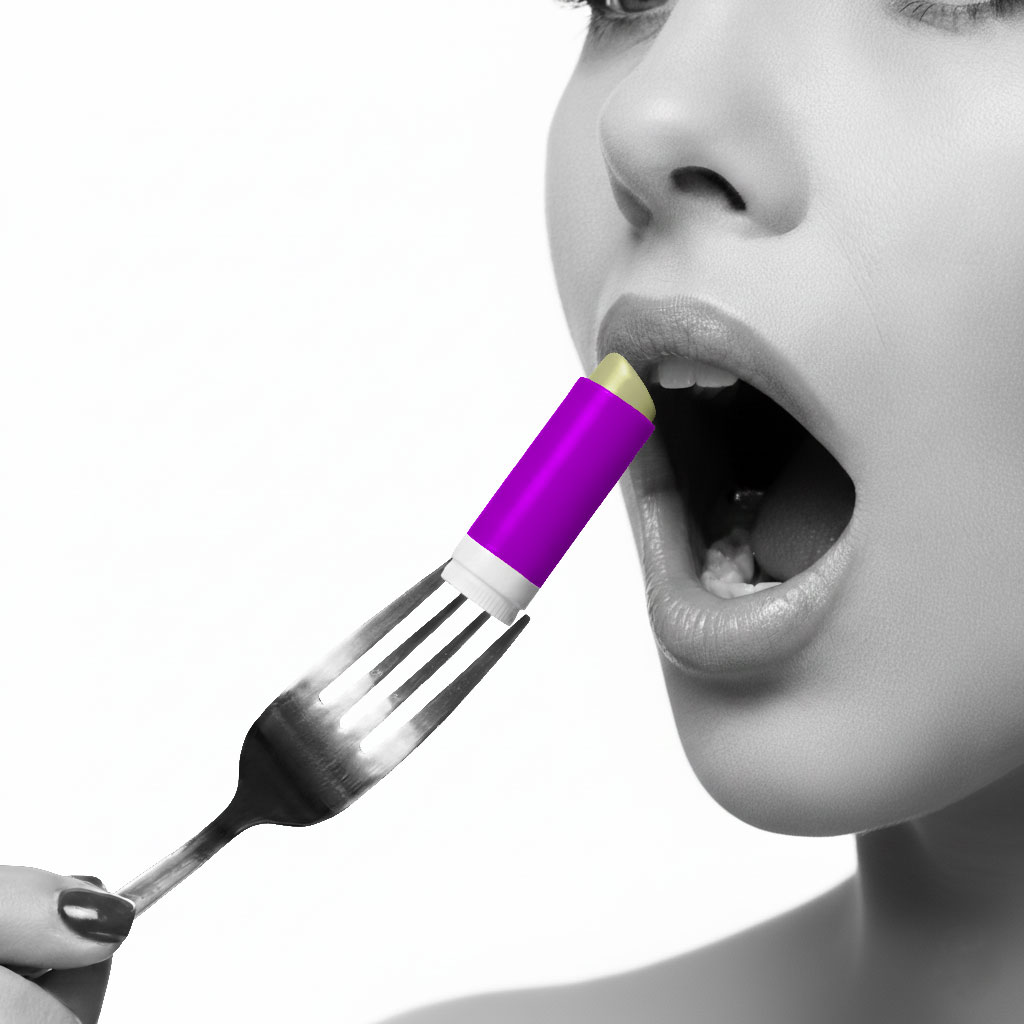
Is there a Lip Balm cancer risk hiding in your daily routine? In this article, I will explain the ingestion threat that most people rarely consider.
Disclosure: As an Amazon Associate, we earn from qualifying purchases made through links in this post at no extra cost to you.
You apply it 10, maybe 20 times a day. Now, as environmental conditions shift and cold weather mandates continuous application to prevent drying, that frequency is likely even higher. It is one of the highest-frequency personal care products you use, and by its very nature, it is ingested. As an environmental health researcher, I analyze the data. The scientific trajectory is clear: the cumulative exposure confirms a measurable lip balm chemical risk far more concerning than its convenience suggests, especially when use increases due to seasonal stress.
The Critical Lip Balm Cancer Risk: Regrettable Substitution
For most consumer products, skin absorption is the primary route of concern. However, lip balm poses a unique and critical exposure pathway: direct ingestion. You are literally eating the formulation.
I have spent my career focused on phthalates and their next-generation replacements. The industry rapidly shifted from BPA to alternatives like BPS and BPF—compounds we have now proven carry similar, sometimes amplified, endocrine-disrupting potential. The “BPA-Free” label is frequently a matter of regrettable substitution, where BPS and BPF are used as replacements that retain similar, potent endocrine-disrupting profiles. When these are found in the trace plastics and oils of your lip balm, the constant, low-level oral exposure creates a significant and measurable cumulative dose. This is not a theoretical risk; this is a real chemical impact.
The risk is not always immediate; it is the chronic, low-dose exposure that interferes with hormone signaling over a lifetime, an effect we are only just beginning to quantify in long-term human cohort studies. The scientific definition of “non-toxic” is often inadequate when applied to trace endocrine disruptors.
Here is a summary of the chemical concerns I prioritize vetting in lip balm formulations:
- Octinoxate and Oxybenzone: Common UV filters that exhibit documented hormone-mimicking activity.
- Synthetic Fragrance: Often contains undisclosed phthalates or similar plasticizers used as solvents.
- Petroleum Derivatives (Mineral Oil, Petrolatum): May be contaminated with polycyclic aromatic hydrocarbons (PAHs), classified as known human carcinogens.
- BHA/BHT: Synthetic antioxidants linked to potential endocrine disruption and organ toxicity.
Why ‘Natural’ Marketing is a Scientific Misalignment
When I approach a consumer product, I immediately filter out marketing terms like “natural” or “botanical.” They have no scientific definition and distract from the actual molecular composition. This is where my Data-Driven Skepticism becomes essential.
I have seen countless lip balm brands replace one synthetic binder with a “natural” emulsifier that is structurally complex and untested for chronic biological effects. The goal is not just to replace, but to ensure the substitution does not introduce a new, unquantified hazard. My core expertise in analyzing trace plasticizers has shown that small changes in a molecular backbone can drastically alter a chemical’s affinity for hormone receptors.
My personal routine is built entirely on this principle: If the data is uncertain, the risk is too high. I learned that certainty only comes from controlling every variable, especially in personal care items. We must demand ingredient purity verified by third-party analysis, not merely marketing claims.
When vetting a safe lip balm swap, I look for these structural assurances:
- Minimal Ingredients: Fewer components reduce the probability of unintended chemical interactions or contamination.
- Certified Organic Oils: Reduces the likelihood of pesticide residues, which are often endocrine disruptors themselves.
- Full Disclosure: Transparency in fragrance components (e.g., specific essential oil constituents, not just “fragrance”).
- Non-PET Packaging: To eliminate the risk of plasticizer migration from the container itself.
The Swap for the Lip Balm Cancer Risk Problem
Now, this is where the real work happens. Based on the Scientific criteria I just laid out, my team and I have compiled a shortlist. We rigorously filtered out the greenwashing, tested for verified third-party lab reports, and confirmed inventory and availability. We only move forward with swaps that meet my high-bar standard for ingredient purity and safety.
Ready for the Verified Solution?
If you’re ready to stop wasting time vetting unverified claims and simply implement the scientifically verified solution for your sensitive skin and endocrine system, click below to access the only Lip Balm recommendations that meet our purity standard.
Nia Montoro-Cortés’s Final Thoughts
The most powerful tool you have for health is information. Do not accept convenience or vague promises over scientific certainty. The change starts with auditing the small items you use most, like your lip balm. Demand purity, always.
Compliance Note: The content within this article is curated and vetted by the Swap The Toxins editorial team. We align with the strict standards of our product experts.

Nia Montoro-Cortés
Nia Montoro-Cortés is a contributing writer for the Swap The Toxins Team, specialising in ingredient purity and sensitivity-focused product analysis. With a background in environmental science, she focuses on understanding how trace compounds and long-term exposure may affect the body. This content is created using AI-assisted research and reviewed by the Swap The Toxins editorial team.
Frequently Asked Questions:
A1: While lip balm itself is not a singular cause, the Lip Balm cancer risk is associated with long-term ingestion of contaminated petroleum-based ingredients. Mineral oils (petrolatum) that are not highly refined may contain Polycyclic Aromatic Hydrocarbons (PAHs), which are classified as carcinogens. To ensure safety, consumers should look for third-party verified, petroleum-free alternatives.
A2: To minimize chemical exposure, you should avoid ingredients like Oxybenzone, Octinoxate, and BHA/BHT, which are linked to endocrine disruption. Additionally, “fragrance” or “parfum” often hides phthalates, which are plasticizers that can interfere with hormonal signaling. Prioritizing minimal, organic ingredients provides the best protection against these toxins.
A3: Yes, because lip balm is applied to the mouth, it is estimated that heavy users ingest a significant amount of the product over their lifetime. This direct ingestion pathway makes the purity of ingredients critical. My research emphasizes that even trace amounts of BPS or BPF (regrettable substitutions for BPA) can have a cumulative biological effect when ingested daily.
A4: Look at our vetted picks linked above! Alternatively look for “Certified Organic” labels to ensure the absence of pesticide residues. Avoid any products containing petrolatum, synthetic dyes, or undisclosed fragrances. My recommendation is to prioritize formulas with fewer than five recognizable ingredients and those packaged in glass or cardboard to prevent plasticizer migration into the product.
Compliance Note: The content within this article is curated and vetted by the Swap The Toxins editorial team, aligning with the strict standards and expertise of our dedicated product experts.
Continue Your Non-Toxic Swap Journey…
Ready to transform more areas of your life? We have comprehensive guides for both home and body product categories, plus our non-toxic gifting hub:
- Non-Toxic Home Swaps: See vetted reviews for Non-Toxic Home Swaps for a cleaner living space.
- Non-Toxic Body Swaps: See vetted reviews for your Non-Toxic Body Care routine
- Clean Beauty Swaps: Discover safer alternatives for your makeup bag with our Non-Toxic Cosmetics Guide.
- The Non-Toxic Gift Guide Hub: Explore our curated selections for every occasion, ensuring your high-value gifts are always safe and sustainable.
- For Our Full Library: Explore all articles, guides, and insights in the Swap The Toxins Blog.