
Why Your ‘Clean Air’ Choice Could Be a Carcinogenic Mistake
Are the Best Air Purifiers in 2025 actually safe, or is the technology inside them introducing a new biological load to your home?
Disclosure: As an Amazon Associate, we earn from qualifying purchases made through links in this post at no extra cost to you.
As a researcher specialized in the biological effects of trace pollutants, I find that most reviews focus on superficial aesthetics rather than molecular safety. Typically, We assume that any device marketed for health is inherently safe. However, my analysis of air purification technologies reveals that some systems can actually degrade indoor air quality by generating reactive by-products during operation.
The Secondary Pollutant Problem: When Cleaning Becomes Contaminating
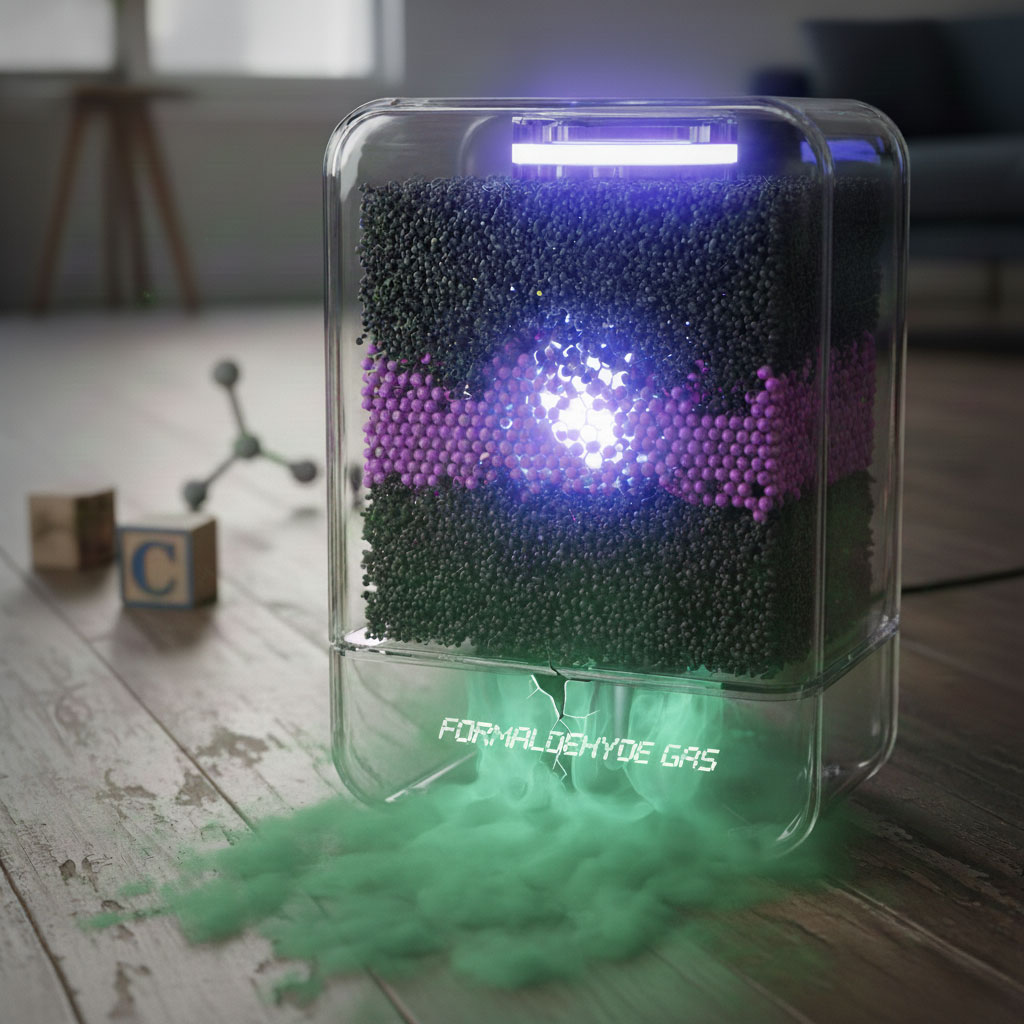
When evaluating air purifiers, we must look beyond simple particle capture. Many modern units utilize “active” technologies—such as ionizers, plasma, or photocatalytic oxidation (PCO)—to neutralize pollutants. While these active systems sound advanced, they often rely on high-energy reactions that can break down relatively stable molecules into highly reactive ones. Such processes can be dangerous if an air purifier doesn’t fully oxidize a common household chemical. As a result, the device might actually produce formaldehyde or acetaldehyde as a toxic byproduct.
Furthermore, I am particularly skeptical of units that generate ozone. Indeed, ozone is a potent lung irritant that can cause permanent damage to respiratory tissue at even low concentrations. To ensure a device is a net positive for your biological health, I prioritize the following technical benchmarks:
- Passive vs. Active Filtration: I prefer passive HEPA and carbon systems because they physically trap pollutants without triggering secondary chemical reactions.
- Ozone Emission Standards: Any reputable unit must meet or exceed the CARB (California Air Resources Board) limit of 0.05 parts per million. CARB Certified Air Cleaners
- Filter Media Integrity: The use of glass microfibers in some HEPA filters requires precise manufacturing to prevent fiber shedding, which can become an inhalation risk itself.
Evaluating Carbon Weight and VOC Adsorption Capacity
A critical failure I see in many “best-selling” air purifiers is the lack of substantial activated carbon. Most manufacturers use a thin, carbon-coated mesh that “fills up” and becomes useless within weeks. In contrast, I look for “deep bed” carbon filters. These units use pounds, not grams, of activated carbon to effectively adsorb Volatile Organic Compounds (VOCs) and endocrine-disrupting gases.
I recently analyzed a case where a family used a low-grade purifier in a newly painted room. Because the carbon filter was insufficient, the unit simply recirculated the paint fumes while the ionizer created ultrafine particles from the gases. For this reason, data-driven selection is paramount. My vetting process involves:
- CADR (Clean Air Delivery Rate): This measures the volume of filtered air a unit delivers, which must be matched to the specific cubic footage of your room. EPA Guide to Air Cleaners
- Third-Party Lab Verification: I look for Intertek or AHAM Verifide certifications rather than internal company “studies.”
- Antimicrobial Coatings: I scrutinize filters treated with chemical biocides, as these can off-gas into the purified airstream.
Ready for Our Vetted Best Air Purifier Picks?
If you’re ready to stop reading complex data and simply implement the perfect solution for your home, click below to see the only comprehensive Air Purifier recommendations we trust. I have personally compared the critical specifications of these models to ensure they meet the my standard for purity.
Nia Montoro-Cortés’s Final Thoughts
Choosing an air purifier is an exercise in risk management. While the market is flooded with “smart” features and sleek designs, the biological reality depends on filter density and chemical stability. Do not let a high-tech ionizer introduce a secondary load to your lungs. Stick to the data, prioritize deep-bed carbon, and ensure your home remains a sanctuary of true respiratory safety.
Frequently Asked Questions: Air Purifier Safety
Yes. Some “active” air purifiers (like ionizers or PCO units) can trigger secondary chemical reactions. If these units don’t fully oxidize household gases, they can produce formaldehyde as a carcinogenic byproduct.
For effective VOC adsorption, you should look for a “deep-bed” filter with at least 2 to 15 lbs of granular activated carbon. Thin, carbon-coated meshes usually saturate within weeks, leaving you unprotected.
Ozone is a potent lung irritant. Even “CARB Certified” units that emit trace amounts can react with indoor terpenes (like citrus scents) to create ultrafine particles and formaldehyde. To ensure biological safety, I always recommend “Zero Ozone” passive filtration.
Compliance Note: The content within this article is curated and vetted by the Swap The Toxins editorial team, aligning with the strict standards and expertise of our dedicated product experts.
Continue Your Non-Toxic Swap Journey…
Ready to transform more areas of your life? We have comprehensive guides for both home and body product categories, plus our non-toxic gifting hub:
- Non-Toxic Home Swaps: See vetted reviews for Non-Toxic Home Swaps for a cleaner living space.
- Non-Toxic Body Swaps: See vetted reviews for your Non-Toxic Body Care routine
- The Non-Toxic Gift Guide Hub: Explore our curated selections for every occasion, ensuring your high-value gifts are always safe and sustainable.
- For Our Full Library: Explore all articles, guides, and insights in the Swap The Toxins Blog.