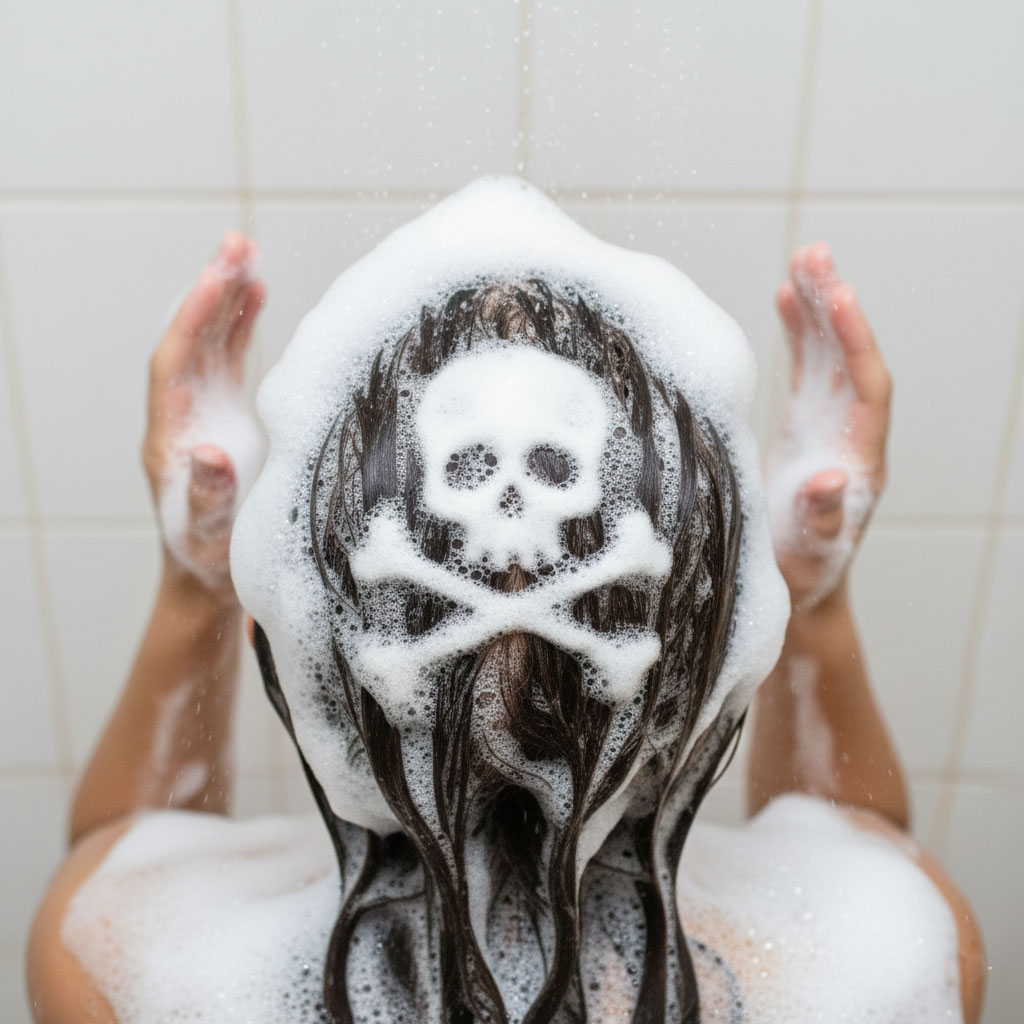

Non-Toxic Toothpaste Swaps: Stop Brushing with Trash
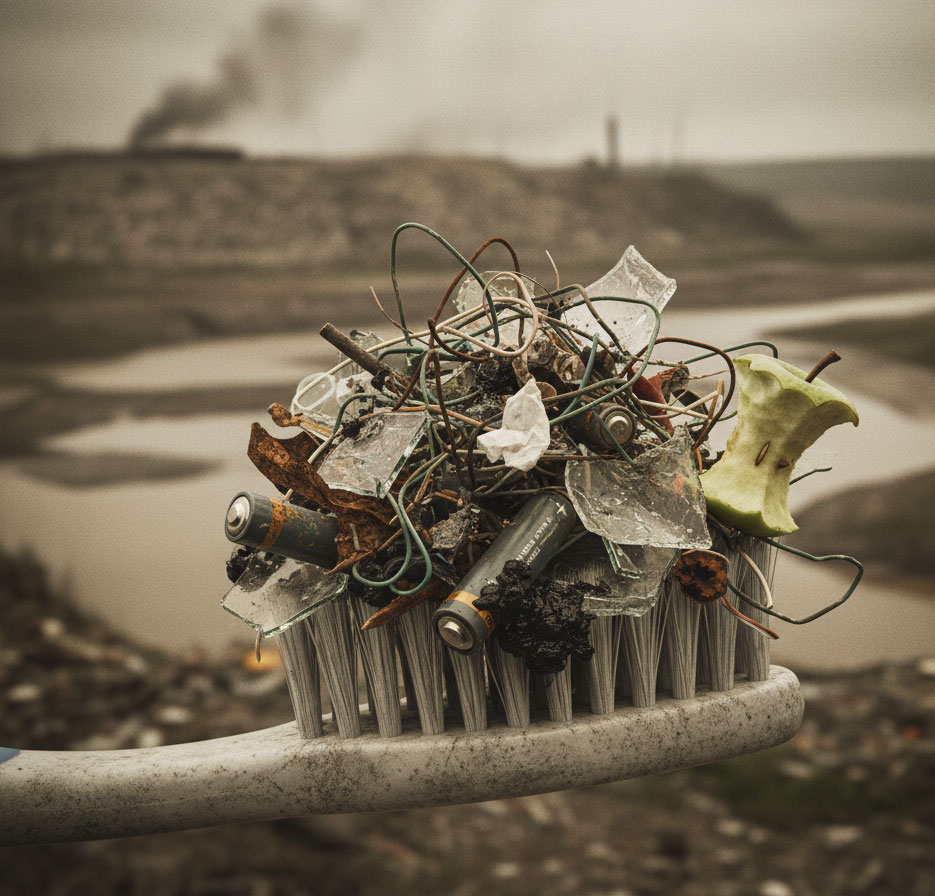
Searching for the Best Non-Toxic Toothpaste, but don’t know where to start?
Disclosure: As an Amazon Associate, we earn from qualifying purchases made through links in this post at no extra cost to you.
When I first started my zero-waste journey, I thought the hardest swaps would be the big things, like furniture or clothing. Nope. It was the daily consumables, the tiny things, that piled up into a mountain of moral guilt and plastic trash. Furthermore, think about it: a seemingly harmless tube of toothpaste that we buy every month. Unfortunately, that tube, often made of mixed-material plastic, is nearly impossible to recycle, ending up in a landfill, where it will outlive us all. It will let chemicals seep into the environment long after we’re gone.
I realized I wasn’t just worried about the toxins in my mouth; I was worried about the toxins I was putting out into the planet. If you’re passionate about planetary health and reducing your impact, the toothpaste aisle is your next big battlefield.
🌎 The True Cost of Your Morning Routine
If you’re anything like me, you don’t just care about what a company makes; you care deeply about how they make it. In short, the conventional toothpaste market is a zero-sum game for the environment. It thrives on cheap, synthetic inputs and non-recyclable packaging. But the waste doesn’t stop at the tube; it starts with the ingredients.
I analyzed the life cycle of every single item. Here’s what I found when digging into the conventional toothpaste industry:
- Supply Chain Inequities: Many flavoring agents and thickeners rely on conventionally grown crops which may exploit workers and degrade soil health.
- Plastic Contamination: Standard tubes are a nightmare of plastic and aluminum layers (laminate). This makes them unrecyclable through municipal programs. It’s waste by design!
- Synthetic Foaming Agents: Ingredients like SLS (Sodium Lauryl Sulfate) are often petrochemical derivatives, requiring polluting industrial processes that run counter to regenerative agriculture.
- Microbead/Grit Pollution: While less common now, harsh abrasives and plastic micro-beads used in some formulas end up flowing directly into our water systems and oceans.
🌿 Making the Swap: Beyond Just Fluoride
The debate often centers on fluoride, However, for me, that’s just the tip of the iceberg. I focus on brands that honor the full supply chain and commit to truly closed-loop systems. A non-toxic toothpaste shouldn’t introduce another layer of guilt; it should be a product that actively restores resources or minimizes harm.
Finding the right alternative means challenging the status quo and prioritizing packaging and production methods just as much as what’s inside the formula.
Here’s what I personally demand from a high-bar, zero-waste swap:
- 100% Recyclable Packaging: The tube or jar must be endlessly recyclable—I look for aluminum, glass, or certified compostable materials only.
- Ethically Sourced Ingredients: Look for third-party certifications like Fair Trade for ingredients like coconut oil or peppermint oil, ensuring human dignity is protected.
- Minimalist Formulas: Fewer ingredients often mean fewer opportunities for synthetic filler waste and less complex processing.
- No Greenwashing: The brand’s values must be reflected in their packaging, not just their marketing copy.
The Best Non-Toxic Toothpaste Swap That Solves the Problem
Making a truly ethical and zero-waste switch to a clean toothpaste shouldn’t feel like a compromise. You deserve a powerful formula that keeps your mouth healthy and stops plastic pollution. The perfect alternative should prove that corporate responsibility and powerful personal hygiene are not mutually exclusive.
Now, this is where the real work happens. Based on the strict zero-waste and ethical criteria I just laid out, my team and I have compiled a shortlist. We rigorously filtered out the greenwashing, tested for 100% recyclable packaging, and confirmed inventory and availability. We only move forward with swaps that meet my strict zero-waste standard.
Ready for Our Non-Toxic Toothpaste Vetted Picks?
If you’re ready to stop generating unnecessary waste and simply implement the perfect solution for your conscious home, click here to see the only comprehensive toothpaste recommendations we trust.
Liam Chen’s Final Thoughts
Ultimately, the small choices we make every day, like what we use to clean our teeth, are powerful acts of resistance against a disposable culture. Don’t let your morning routine contribute to planetary degradation. Every ethically sourced, plastic-free tube you choose sends a clear signal to the market. Make the switch today to a non-toxic toothpaste zero-waste option and start brushing with a clear conscience!
Frequently Asked Questions:
A1: The most effective zero-waste swaps are toothpaste tablets or pastes housed in infinitely recyclable materials like glass jars or aluminum tubes. Unlike plastic laminates, aluminum and glass have high recovery rates in municipal recycling systems, ensuring the packaging stays within a circular economy rather than leaching toxins in a landfill.
A2: From a planetary health perspective, the environmental impact of toothpaste depends more on the sourcing of its surfactants and its packaging than the fluoride content itself. However, many zero-waste advocates prefer hydroxyapatite-based formulas, which are non-toxic, biocompatible alternatives that strengthen enamel without the industrial runoff associated with mass-market chemical synthesis.
A5: Hydroxyapatite is a naturally occurring mineral that makes up 97% of your tooth enamel, and in toothpaste form, it works by “remineralizing” teeth—essentially filling in microscopic cracks to repair enamel from the inside out. While fluoride creates a protective barrier, hydroxyapatite is biocompatible and non-toxic if swallowed, making it a superior choice for children, pregnant women, and those seeking a high-performance, clean alternative that strengthens teeth without the risk of dental fluorosis.
A4: Yes, many non-toxic toothpaste swaps utilize natural abrasives like calcium carbonate and silica to gently remove surface stains without eroding tooth enamel. These clean formulas focus on maintaining a healthy oral microbiome and strengthening teeth through biocompatible ingredients, offering a safer and more sustainable way to achieve a bright smile compared to harsh chemical whiteners.
Compliance Note: The content within this article is curated and vetted by the Swap The Toxins editorial team, aligning with the strict standards and expertise of our dedicated product experts.
Continue Your Non-Toxic Swap Journey…
Ready to transform more areas of your life? We have comprehensive guides for both home and body product categories, plus our non-toxic gifting hub:
- Non-Toxic Home Swaps: See vetted reviews for Non-Toxic Home Swaps for a cleaner living space.
- Non-Toxic Body Swaps: See vetted reviews for your Non-Toxic Body Care routine
- The Non-Toxic Gift Guide Hub: Explore our curated selections for every occasion, ensuring your high-value gifts are always safe and sustainable.
- For Our Full Library: Explore all articles, guides, and insights in the Swap The Toxins Blog.